- About Us
-
-
About Us
-
-
-
- Free Legal Info
-
-
Free Legal Information
-
By Topic
-
By Audience
-
By Format
-
-
- Do-it-yourself-Tools
-
-
Do-it-yourself Tools
-
Estate Planning
-
Family Law
Family Violence & Abuse
-
Self Representation
Sexual Harrasment Prevention
-
-
- Community
-
-
Community
-
-
-

- About Us
-
-
About Us
-
-
-
- Free Legal Info
-
-
Free Legal Information
-
By Topic
-
By Audience
-
By Format
-
-
- Do-it-yourself-Tools
-
-
Do-it-yourself Tools
-
Estate Planning
-
Family Law
Family Violence & Abuse
-
Self Representation
Sexual Harrasment Prevention
-
-
- Community
-
-
Community
-
-
-
Finding Your Way
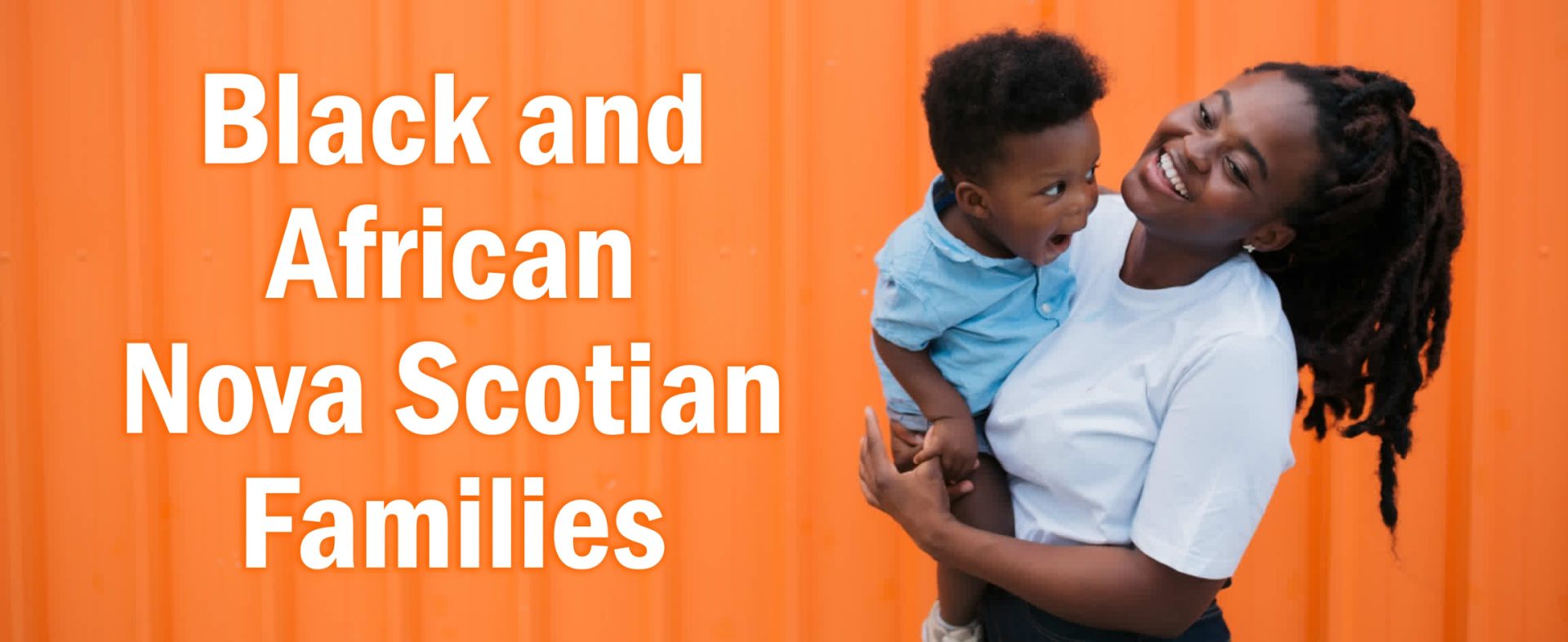
Black and African Nova Scotian Families
Many Black Nova Scotians don’t trust the police and the justice system. You may worry that reporting abuse will mean your partner or ex will face racism from police and the justice system. You may also worry that reporting abuse will lead to stereotypes that Black men are violent.
You may fear that if you report abuse and try to get help, you will have to leave your community and family.
Black, Indigenous, and African Nova Scotian people may have intersecting identities and experiences. They experience racism, colonialism, and other forms of discrimination in our legal system.
Racist child protection policies have harmed African Nova Scotian children and families in the past. African Nova Scotian children are more likely to be placed in foster care than other children.
But you are not alone. You can find help to make sure you and your children are okay.
To learn more about child protection and your rights, go to the Child Protection section.
African Diaspora Association of the Maritimes
African Nova Scotian Justice Institute
902-492-5619
www.ansji.ca
Free legal services to African Nova Scotian and Black people
Help with criminal law, family law and child welfare, and human rights.
African Nova Scotian Affairs
Helping African Nova Scotian communities access programs and services, resolve issues, develop new community programs, and support community celebrations
African United Baptist Women’s Institute
902-434-8837
Association of Black Social Workers
902-407-8809
www.nsabsw.ca
Cumberland African Nova Scotian Association
Cumberland County
902-661-1509
www.cansa.ca
Bahamian Association of Nova Scotia
Fill out the online contact form or email [email protected]
Black Therapists and& Mental Health Organizations in Nova Scotia
African Nova Scotian Justice Institute
A working list of Black Therapists and Black Mental Health Organizations in Nova Scotia
Coverdale Justice Society
Use the online form or call 902-422-6417
Services for women, youth, and gender-diverse individuals
- Court support
- Housing support
- Bail support
- Drop-in services
Elizabeth Fry Society of Mainland Nova Scotia
Apply online or call 1-902-454-5041
- Domestic Violence Court Program for partners who have been harmed, children involved in the program, and those accused of using violence against their partner
- Learn about healthy relationships
- Workshops, cultural gatherings, discussion spaces, and more for African Nova Scotian and Indigenous women
East Preston Family Resource Centre
902-462-7266
Jamaican Cultural Association of Nova Scotia
[email protected]
Facebook Page
John Howard Society
1 (877) 409-6429
- Help for criminalized people and those affected by crime
- Mental health and social supports
- Advocacy for men while in jail or during transition
Nurturing Strong African Nova Scotian Families
(902)-877-3847
Email: [email protected]
Parenting program and supports for African Nova Scotian and Black parents and caregivers
PAUSE Mental Health Program – United Pause African Ancestry Support
North End Community Health Centre
1-800-598-5270
Free telephone counselling for Nova Scotians of African Ancestry
Help with grief, relationship issues, anxiety, and crisis
The People’s Counselling Clinic
902.832.1593
Email: [email protected]
- ManTalk, group therapy for male-identified victims of sexual abuse
- Inside Out, group therapy for male-identified individuals who are at risk of harming others in various ways
- Free counselling clinic
- Assessment and treatment services for child protection matters, The Halifax Refugee Clinic, Family and Criminal Courts
- Programming for Black community members and agencies serving people of African descent
- Wellness groups and individual therapy for Halifax Domestic Violence Court Program participants
YWCA, Halifax
902-423-6162
www.ywcahalifax.com
Child protection agencies and the courts have not always treated African Nova Scotian families fairly. Too many Black children are still placed in foster care.
The law says that if a child is taken from home:
- they should stay connected to family and culture
- they should be allowed to speak their own way and take part in cultural events
- their foster families must recognize and respect the child’s hair, clothing, and beliefs
Placements may not fit the needs of Black and African Nova Scotian children.
You have the right to speak up if you feel your child’s culture is not being respected or protected. You can ask for a court hearing at any stage.
Services and support for children
African Canadian Services Branch (ACSB)
Department of Education and Early Childhood Development
- Scholarship program
- Support worker program
- Inclusive education supports
Big Brothers Big Sisters
Mentorship, relationship building, and support for children, youth, and families
Black Youth Helpline
1-833-294-8650
Boys and Girls Clubs
Provide children and young adults up to age 16 with a safe, supportive place to build positive relationships and develop confidence and skills for life
Delmore “Buddy” Daye Learning Institute
- Bursaries and scholarships
- Youth leadership and mentorship
- Employment and volunteer services
East Preston Family Resource Centre
- Day care
- Home visiting program
- Youth program
- Accompanies families to court situations, medical appointments, and other support services
Kids Help Phone
Text CONNECT to 686868
Youth Legal Info Text Line
Legal Information Society of NS
Text (902) 510-5646
Path Program
The Path Program supports youth age 19-24 as they transition from Care and Youth Services to adulthood.
Men experience violence and trauma, too. You may need help to heal from that trauma. You may want to learn positive parenting or you may need help to change your behaviour if you have used violence.
Nova Scotia’s history of racism and oppression can make it harder for Black men to seek help. Other barriers include transportation, especially for people living in rural communities, and the cost of accessing mental health support.
These organizations can help men make changes and get support.
902 Man Up
Leadership and mentorship programs for young black men, advocacy, shelter support, and mental health services.
African Nova Scotian Justice Institute
902-492-5619
www.ansji.ca
Free legal services to African Nova Scotian and Black people
Help with criminal law, family law and child welfare, and human rights.
The Bridges Institute
Counselling for families. They help men:
- deal with anger, depression, stress, anxiety, parenting, PTSD
- repair relationships
- learn how gender roles can affect their health.
Association of Black Social Workers
902-407-8809
www.nsabsw.ca
Autumn House in Amherst
- New Directions: helps men repair their relationships with their children
- Understanding Anger: helps men learn about their anger
John Howard Society
1 (877) 409-6429
- Help for criminalized people and those affected by crime
- Mental health and social supports
- Advocacy for men while in jail or during transition
The Men’s Helpline
Crisis line, 24 hours a day, 7 days a week
Call 211.
New Leaf, Pictou County
Group counselling and support for men who have harmed a family member
The Nova Scotia Brotherhood Initiative
Helps Black men to improve overall health and wellbeing
A free program in Black communities
The People’s Counselling Clinic
902.832.1593
Email: [email protected]
- ManTalk, group therapy for male-identified victims of sexual abuse
- Inside Out, group therapy for male-identified individuals who are at risk of harming others in various ways
- Free counselling clinic
- Assessment and treatment services for child protection matters, The Halifax Refugee Clinic, Family and Criminal Courts
- Programming for Black community members and agencies serving people of African descent
- Wellness groups and individual therapy for Halifax Domestic Violence Court Program participants
Strengthening Fathers and Fatherhood Matters
Family Service Nova Scotia – Child, Youth, and Family Learning Institute
Programs to support male identifying caregivers. Register online or call 1-866-330-5952.
If you are charged with a crime, you can ask for an IRCA (Impact of Race and Culture Assessment). This tells the court about your background and helps the judge give a fair sentence. It may include:
- family history (like residential schools or child welfare)
- trauma (like abuse or mental health issues)
- other life experiences
IRCAs were first used in the 2010s, when lawyers and social workers in Nova Scotia saw that other pre-sentence reports failed to capture the social context of the lives of Black people.
Read more about IRCAs here.
You can get an IRCA if you are waiting to be sentenced. Your lawyer will ask the African Nova Scotian Justice Institute for the IRCA, and they will contact you.
To learn about changing a statement you have given to police, changing conditions, or Victim Services, read more here.
If you experience racism when interacting with police or in court, you have rights.
Make a complaint about RCMP
Make a complaint about Halifax Regional Police
You may have grounds for a human rights complaint. Learn about your options.
PATH Legal – People’s Advocacy & Transformational Hub
- Prison law and advocacy
- Help challenging decisions made by police and corrections
- Lawsuits against police and prisons for unfair treatment
- Challenges against unfair laws
Read more about racial justice here.