- About Us
-
-
About Us
-
-
-
- Free Legal Info
-
-
Free Legal Information
-
By Topic
-
By Audience
-
By Format
-
-
- Do-it-yourself-Tools
-
-
Do-it-yourself Tools
-
Estate Planning
-
Family Law
Family Violence & Abuse
-
Self Representation
Sexual Harrasment Prevention
-
-
- Community
-
-
Community
-
-
-

Meet Us!
Conversion therapy* is often thought of as something that happens somewhere else and to people we’re unlikely to ever encounter. The truth is that conversion therapy* does happen close to home and impacts many people within our own communities. We are proud to display these portraits of and quotes from Nova Scotian survivors of conversion therapy* as well as faith leaders who are committed to gender inclusion in their spiritual communities.
In writing Let Me Be Me, we relied on this wisdom, expertise, and generously shared life experiences and stories of the many members of our Nova Scotian 2SLGBTQIA+ community with whom we have consulted. Due to the sensitive and often traumatic nature of conversion therapy*, many of these individuals have chosen to stay anonymous, though some have allowed us to share their stories and faces as part of this publication.
We are grateful to each and every individual who has participated in our consultation process. We hope that our guide authentically reflects and honours your experiences, your resilience, your identities, and your truths.
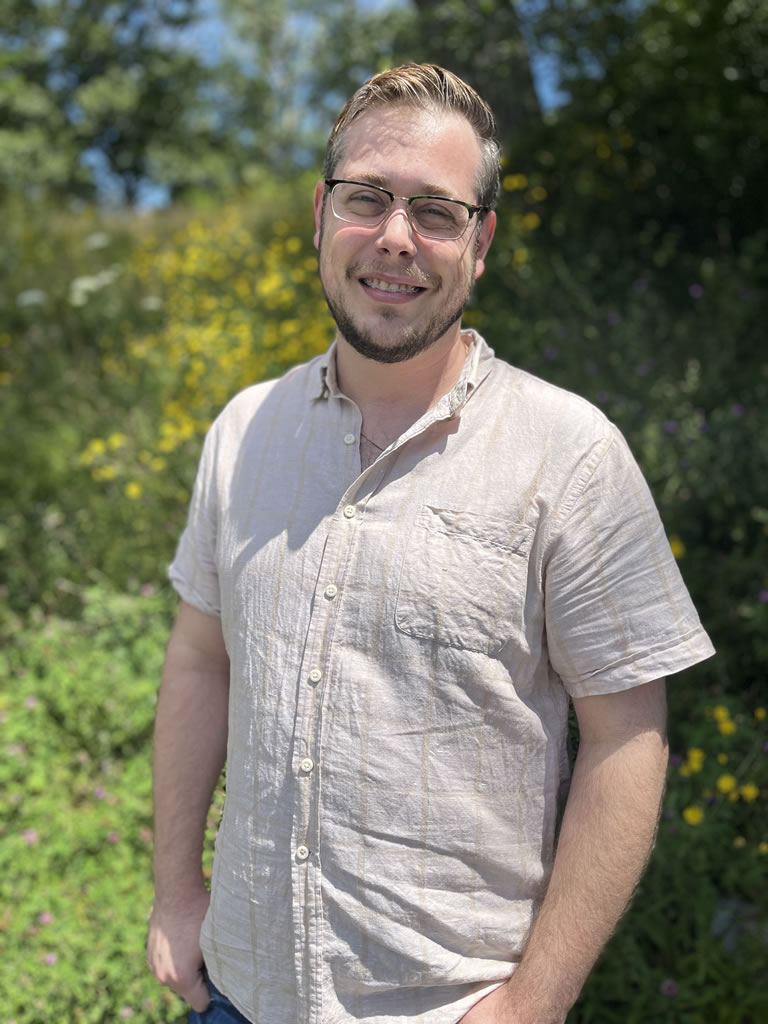
Robert
Pronouns: he/him
Works as: small business owner, religious brother, student
Listen to Robert’s story on his podcast episode.
I wanted to include one of my favorite quotes for the project. It’s a quote from the Most Reverend Michael Curry and the Royal Wedding. It really did strengthen me and I hope its secular tone can help others too. He says,
“When love is the way, the earth will be a sanctuary. When love is the way, we will lay our swords and shields down by the riverside to study war no more. When love is the way, there’s plenty of room for all of God’s children. When love is the way, we actually treat each other, well, like we are actually family.”
This was instrumental to me in healing because love truly is the only way I could get through and conquer the hate of others and more importantly, the hate I had for myself during that time. Although I always have doubt, love always conquers.

Julie
Pronouns: they/them
Sexual orientation and gender: queer, gender queer, non binary, trans
Works in: publishing, writing
Listen to Julie’s story on their podcast episode.
Despite the harmful messaging I received as a young child that I was a danger to myself and to my community, I have a distinct sense that how I participated in my sexuality and gender in youth was a joyful experience. By the time I’d graduated kindergarten, I knew I was queer. By the time I entered high school, I knew I was gender queer. I tested the outer limits of each in creative ways, through play, dress, and storytelling. I emphasize this because I know I came into this world a fully loved and realized person. Somehow, even as a young person, I knew I was fine as I was, and am. I credit that joy for getting me through my teens and early 20s, in particular, a time in which my actions were constantly ridiculed and surveilled. It’s my hope that other survivors have also found their joy and continue to expand upon it.
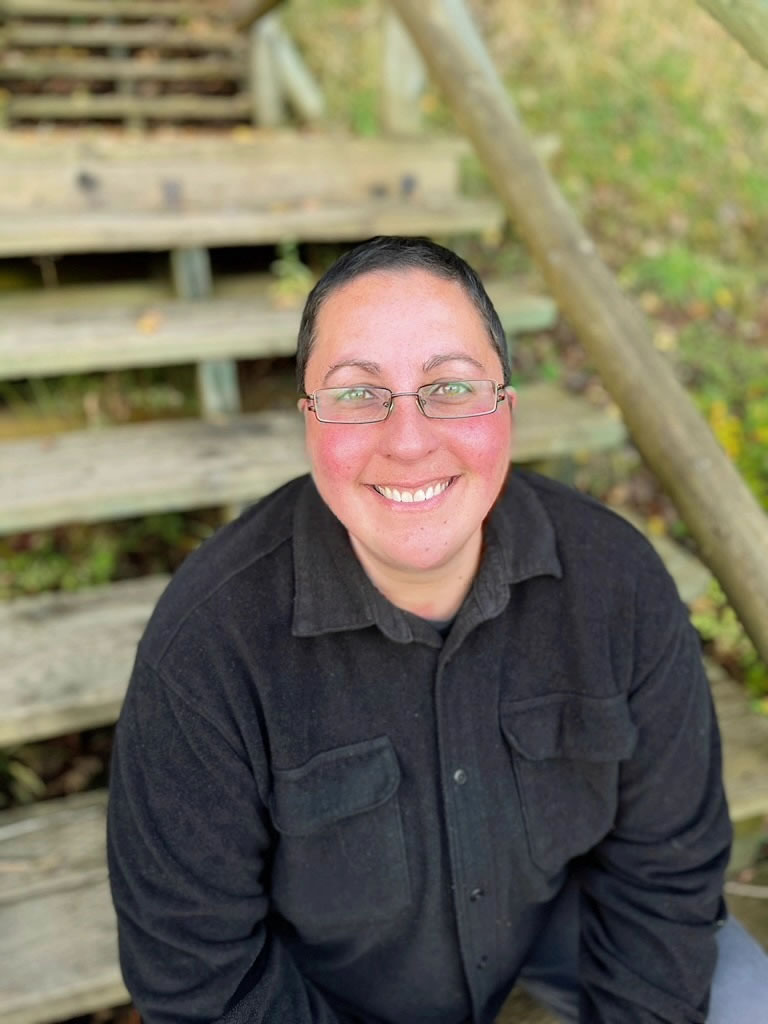
Rabbi Dr. N Siritsky, MAHL, MSSW, RSW, BCC
Pronouns: they/them
Works in: #queeringisredeeming
I am a second generation Holocaust survivor who has dedicated their life to fighting injustice and hatred in all its forms. My understanding of Jewish theology, along with my personal intersecting identities and years of experience have taught me that queering is redeeming. Both personally and professionally, I seek to honour this truth and align myself with those brave enough to affirm their uniqueness despite systemic oppression and violence- of which conversion therapy is a despicable example. I believe that those of us working to create queer-affirming sacred spaces are working to decolonize religion from some of the many ways that it has been used as a weapon to reinforce false binaries (male/female; gay/straight; black/white; Christian/sinner; good/bad etc). All Love is sacred and my goal is to do what I can to heal the brokenness that perpetuates the illusions and bias that hurt us all.
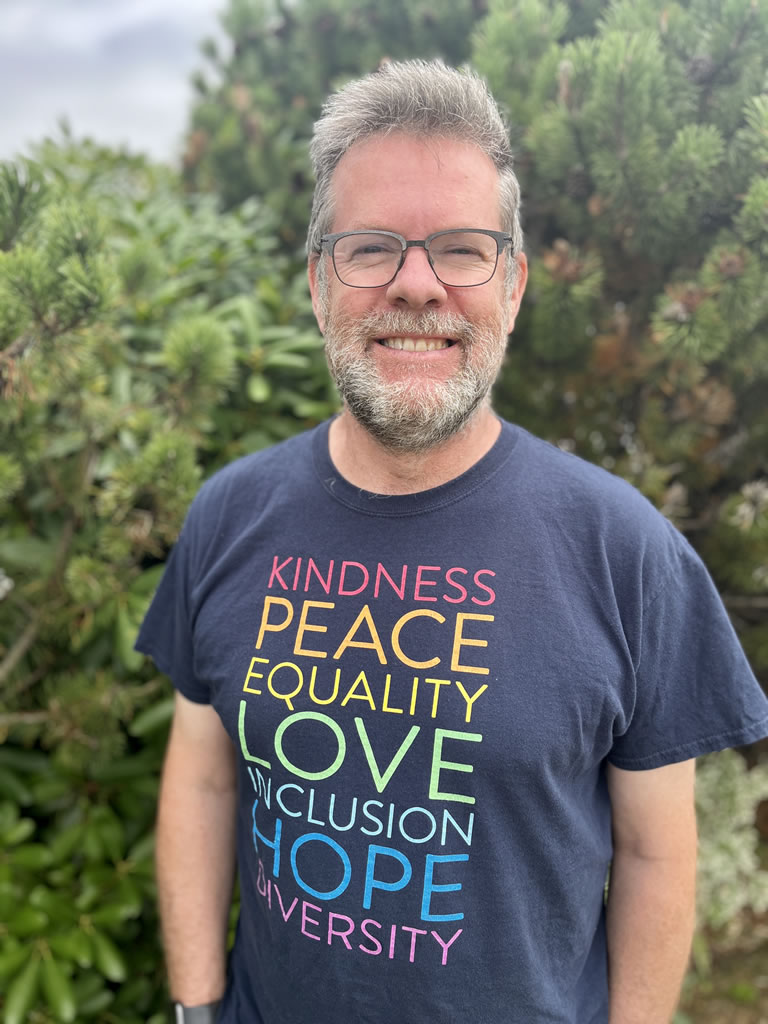
Ian
Pronouns: he/him
Sexual orientation and gender: cisgender gay man
Works in: mental health
Listen to Ian’s story on his podcast episode.
Growing up in a conservative religious environment, I learned to hate myself for being gay because my religion taught me that that’s how God and other Christians felt about my sin. I believed I was the “worst of sinners” because of my “same sex attraction” and became desperate for God to “heal me” from the sin of homosexuality. I spent 45 years engaging in multiple religious-based forms of conversion therapy until I finally had a breakdown and admitted to myself the truth: I am gay. Now I want to spend my energy helping other survivors of conversion therapy and religious trauma to embrace themselves, heal from their wounds and live their fullest authentic life.
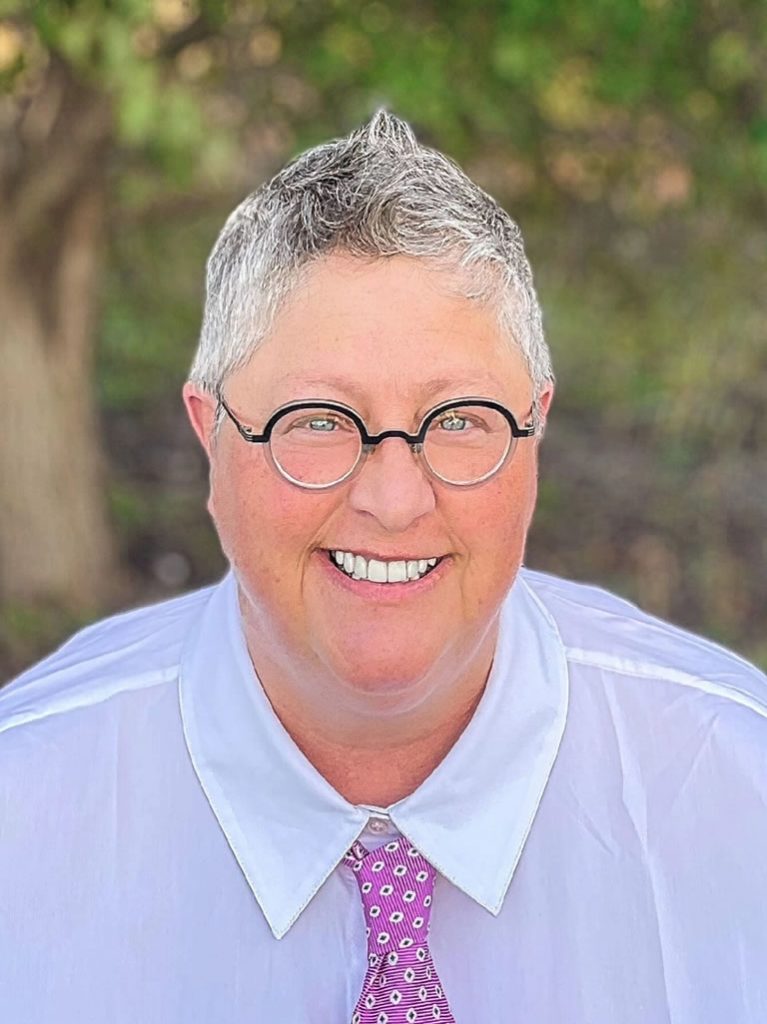
Cynthia Conley
Pronouns: She/They
Works in: Social Work Education, Research, and Consulting
Identity: Queer
My research and social work practice has focused on working with 2SLGBTQIA+ children and young adults, identifying risk factors that impact their well-being as well as developing evidence-based tools for therapists to use when working with their family members.
In particular, I developed an instrument (COPLAG) for effectively understanding the unique concerns that parents may experience upon learning about a child’s identity. This is essential in ensuring 2SLGBTQIA+ well-being because poorly managed parental reactions and concerns can contribute to the number of children who are rejected and become homeless or are subjected to conversion therapy or other harmful treatments.
In my experience, understanding parents’ concerns and experiences is a crucial component in ensuring that a therapeutic intervention is appropriately positive and helpful. Too often, a therapist’s personal bias can influence their understanding of parents’ concerns, and their assumptions can cause them to misunderstand the real concerns that parents may be experiencing and affecting their reactions to their children’s identity. My work has therefore focused primarily on prevention and reducing risk factors that may otherwise affect the decision to seek out conversion therapy.
My research has identified three primary areas of concern that may challenge parents’ abilities to respond in a constructive manner. Most parental concerns about having a 2SLGBTQIA+ child have little to do with what one might expect, namely their physical, psychological, and social well-being. And yet, too often this is where therapists may focus their efforts and because this is what parents feel most comfortable discussing, thereby ensuring poor therapeutic outcomes.
Research-based and statistically validated evidence-based tools are essential when working in this practice arena to prevent the risk of unintentionally biased or harmful therapeutic interventions. My research demonstrates that frequently, parents worry about having to deal with society’s judgment of them or dealing with rejection and loss of their own friends and loved ones. When a child comes out, their parent(s) must come out too and deal with their own form of stigma. This is a critical component in successfully supporting families dealing with this issue.
On a professional level, I have found that organizations like PFLAG, queer-positive faith communities, and other support groups can be the most significant variable in ensuring the well-being of 2SLGBTQIA+ individuals and their families.

Tamsin Michael Robson
Pronouns: they/she
Sexual orientation and gender: genderqueer trans lesbian
Works in: clergy in training
I’m currently finishing a Master of Divinity degree in preparation for (hopefully) eventual ordination in the United Church of Canada. As far as I know, I might be the first openly transgender student at my theological school — which has been a little bit challenging at times, but has been an incredibly rewarding experience overall. I honestly enjoy upsetting the churchy status quo a little bit just by being someone who is immediately queer in ways that can’t be ignored or swept under the rug.
Along the way, I’ve become involved with Halifax’s Queer Spirit Church as one of its co-leaders (along with Arla Johnson, a Baptist minister). We’re an ecumenical congregation that currently meets once a month for regular worship services as well as the odd discussion group. It’s incredibly gratifying to know that we’ve already touched a few lives in the one year that we’ve been around, and I’m excited to see what happens next.
I consider myself extremely fortunate to have been able to come out publicly in an affirming environment (an urban United church in Halifax). Although I’ve had to do a lot of education in church spaces around the topics of gender and orientation — which, luckily, I consider to be part of my calling — I find that most people have been more than willing to accept me for who and what I am. That I didn’t have to cut ties with my faith community or go through a long and messy process of deconstruction is an incredible blessing, and I hope that someday every queer person of faith can enjoy that privilege.
One of the things we try to do at Queer Spirit Church is flipping the theological script on the relationship between our beloved queer community and our Christianity. We’re not just debunking a few homophobic passages, and we don’t stop at merely affirming that God loves us (although that’s still incredibly important). Rather, we’re looking at our faith and our scriptures through a specifically queer lens, and exploring the radiant queerness that we find in the basic concepts of Christianity. It’s something that doesn’t get a lot of airtime elsewhere, and we’ve met all kinds of different people who show up just to see what we’re about.
Here’s my favourite example: the idea that something of God, who already encompasses all of gender and even blurs the binary of singular and plural, could have become incarnate in a multiply-marginalized human being who had a messy childbirth in a barn, breastfed, ate, drank, slept, defecated, went through puberty, and probably fell in love at least once or twice — that feels to me like the queerest thing ever. And if all of those profoundly human experiences can become inherently sacred in and through Christ, maybe — as we let the Holy Spirit infuse us with God’s goodness — our experiences as queer people can be sacred too.
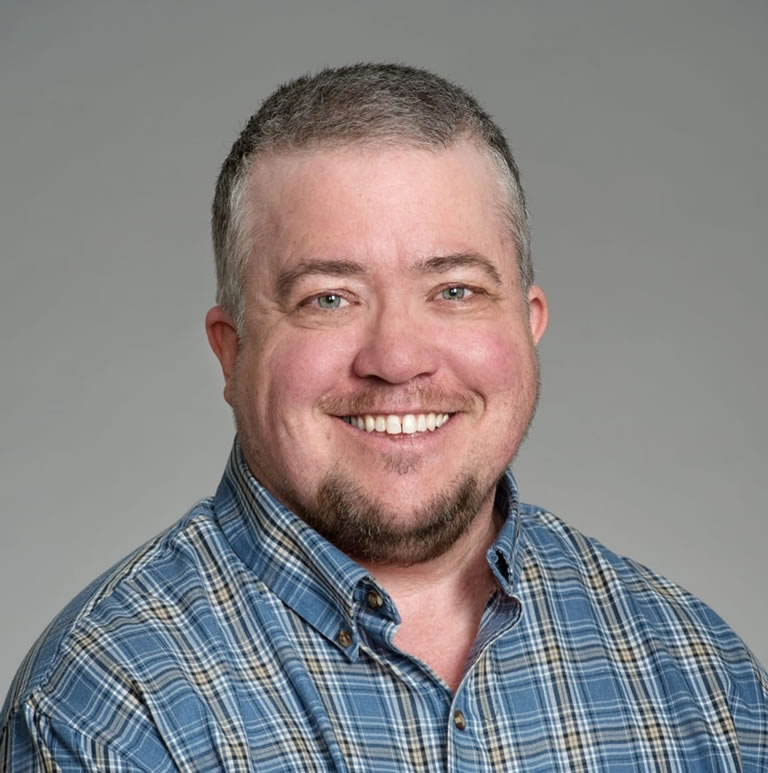
Jordan Sullivan
Pronouns: he/they
Gender identity: trans man
Listen to Jordan’s story on his podcast episode.
Jordan, who himself is a survivor of conversion therapy*, works at the Community-Based Research Center as the SOGIECE/CP* Prevention & Survivor Support Coordinator for the Community-Based Research Centre.
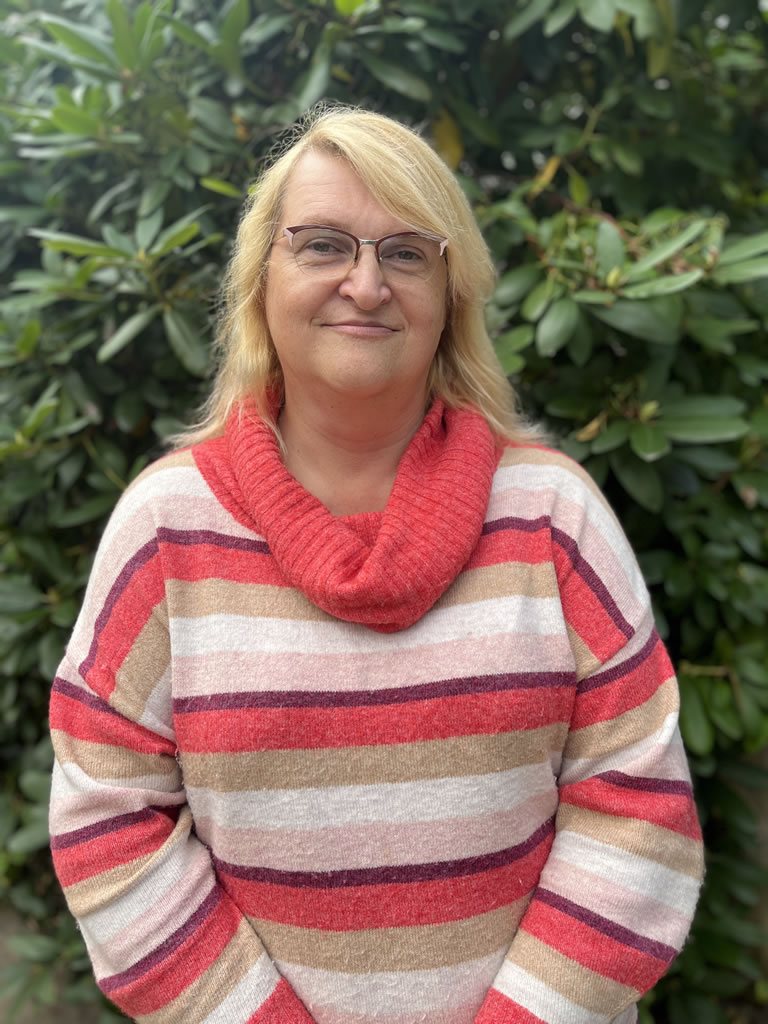
Veronica
Pronouns: she/her
Works in: engineering, advocacy, education, diversity equity and inclusion consulting
Listen to Veronica’s story on her podcast episode.
Read more of Veronica’s poetry on her website.
Do you know my name?
I knew myself, you still don’t know me.
I just wanted to be myself, you had other plans.
I told you everything, you heard nothing.
I needed to be, you wanted me out of your lives.
I trusted you, you threw it away.
I knew no difference, you knew better.
I was only eight, you were childish.
I understood the cost, you saw no value.
You abandoned me, I had to stand by myself.
I suffered alone, you saw nothing.
You were no comfort, I cried in isolation.
I tried to die, to you I did.
I stood tall, an embarrassment to you.
I feel the loss, you lost sight.
I know love, will you ever?
I had to walk away, you gave marching orders.
I know how little I know, you gave empty lectures.
I am open, you couldn’t be more closed.
You were not invited in, you barged anyway.
In spite of you, I miss you.
I forgave you, you blamed me.
I live, are you alive?
Your names are Mum and Dad.
Do you know my name?
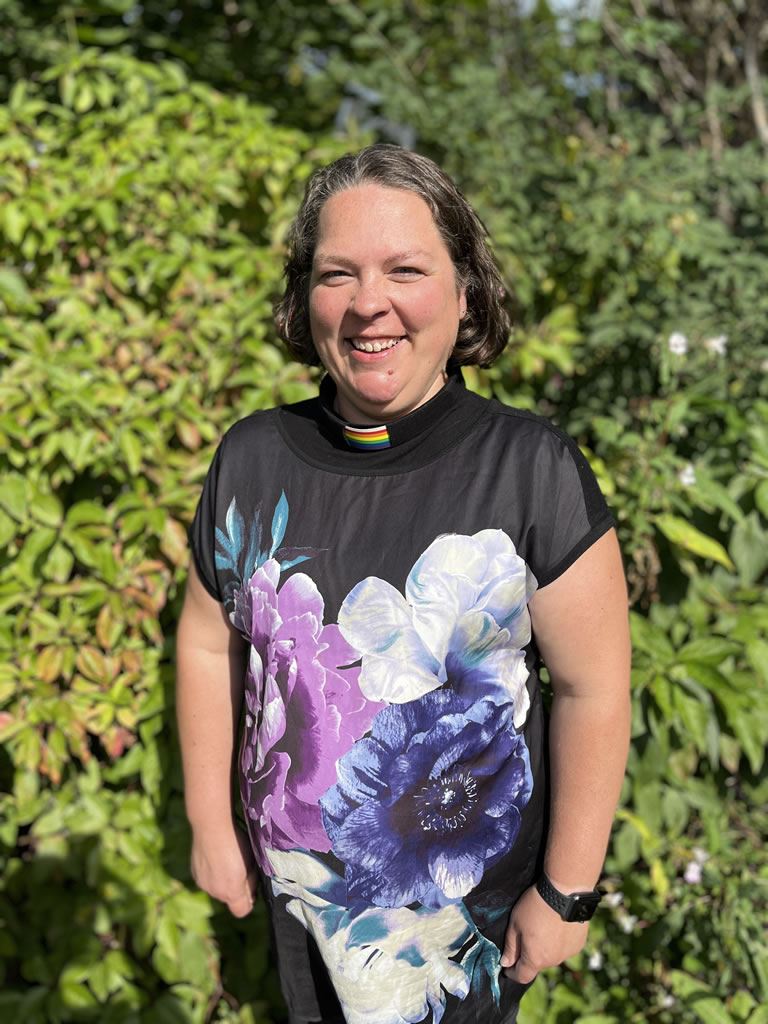
Rev. Annika Sangster
Pronouns: she/her
Works as: clergy
Before I could fully embrace my gender identity, I needed to learn to love the parts of me that didn’t quite fit with what society told me should be part of my gender identity, or expected would be part of my gender identity. It wasn’t until I fully loved myself that I could be comfortable in my own skin. As a feminist, I’m working towards a world where expectations and assumptions placed on someone because of their gender is no longer the norm. Part of the way I do that in my everyday life is by using non-personified language to express my understanding of God. For those of us who maybe don’t follow traditional standards, the idea or image of God with no pronouns is liberating – I am created in the image of Love. Isn’t that a beautiful thing?
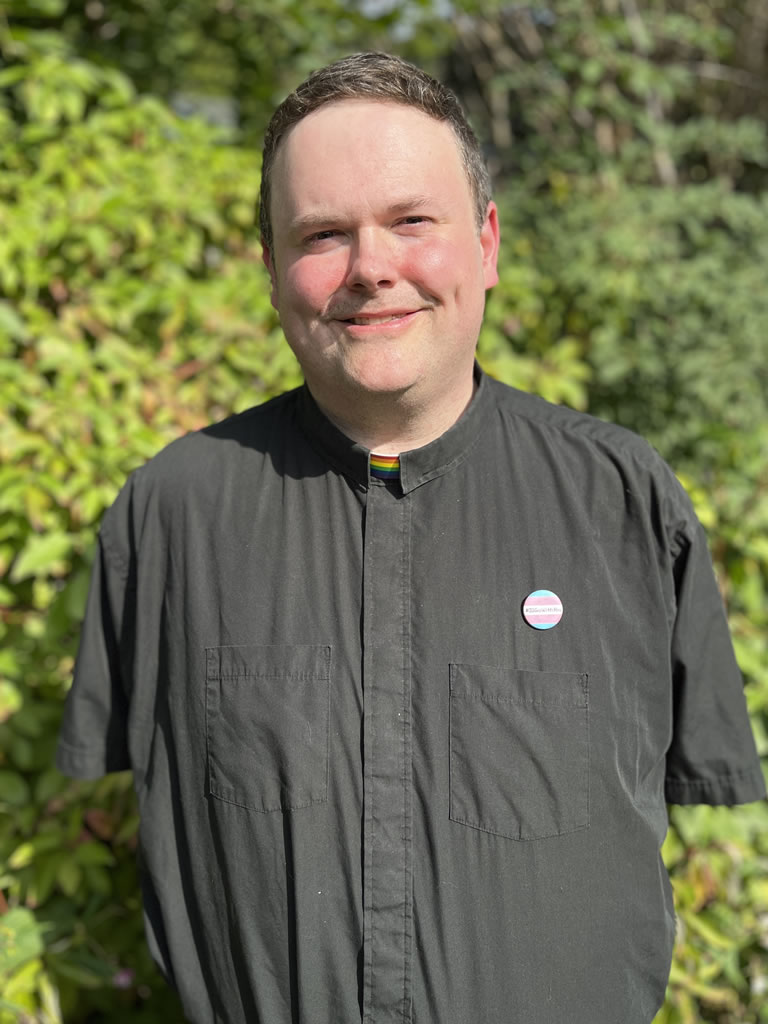
Rev. Michael Henderson
Pronouns: he/him
Works as: clergy
Being a trans affirming minister and person is important to me for many reasons. I have known exclusion, so I want to make sure others are included. To this end I have taken professional development courses on creating trans friendly spaces for both youth and adults. I am also acutely aware of the harm done by the Church to members of the 2SLGBTQIA+ community historically and presently, and I am committed to ensuring that people, especially people who have been historically excluded, are safe, heard, and affirmed when in my community of faith. I believe we are all created in the image of the Sacred, and I believe being trans is a reflection of the diversity of the Sacred.
*A note on language: Throughout this guide, we have chosen to place an asterisk next to the phrase “conversion therapy.” We have done so because the term conversion therapy* is misleading, in the sense that it is not actually a therapeutic practice in any traditional or reasonable understanding of what therapy involves and what its purpose is.
Conversion therapy* is also not recognized as a credible practice by any reputable or accredited medical or therapeutic organization or governing body.
Therapy or counseling are, in a general sense, practices focused on the healing and wellbeing of the individuals seeking out these services. In contrast, conversion therapy* is an inherently harmful practice that seeks to suppress or alter an essential aspect of an individual’s identity and sense of self.
Some organizations, such as Canada’s Community-Based Research Centre (CBRC), prefer to use the phrase “conversion practices” to avoid using the term therapy. One of CBRC’s core projects focuses on “sexual orientation and gender identity and expression change efforts” (abbreviated as “SOGIECE”), which include any practice or effort, explicit or implicit, that pressures a person to change their sexual orientation, gender identity, or gender expression to heterosexual and/or cisgender. SOGIECE includes conversion practices but also encompasses other ways and situations in which 2SLGBTQIA+ people experience harmful pressure to suppress their authentic selves.
We have chosen to retain the term conversion therapy* for the sake of clarity and simplicity, given that this is how the practice is most commonly known. We have also kept the term ‘conversion therapy’* because this is the term used in the Criminal Code itself.
At the same time, however, we wanted to emphasize that conversion therapy* is far removed and fundamentally at odds with the ethical guidelines and client-centered, healing-focused practices of therapy or counseling.